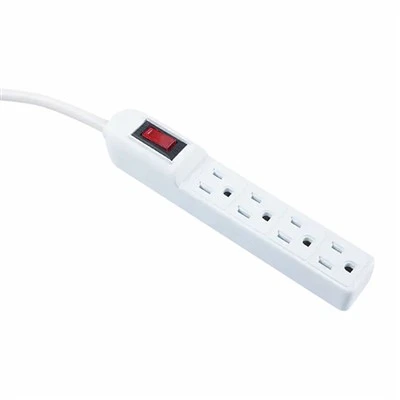
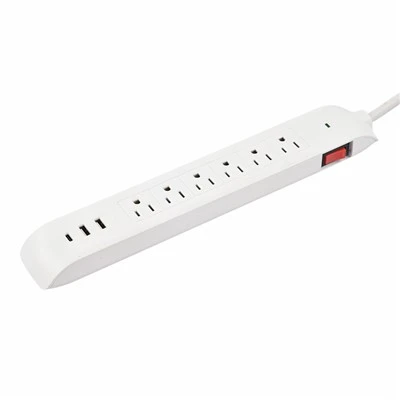
Visual Inspection
Focus on three high-risk areas prone to stress:
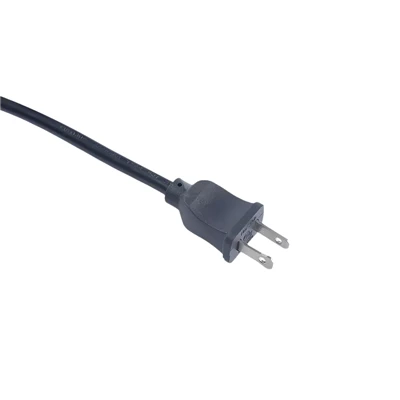
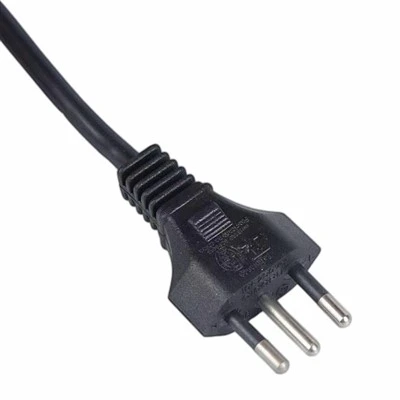
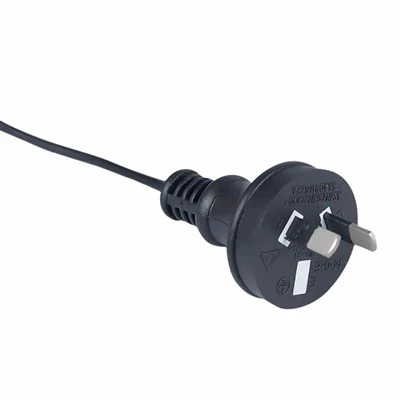
Plug base and cord connection: Check the insulation for cracking, hardening, brittleness, charring/discoloration, or exposed internal copper strands; such damage poses a direct risk of electric leakage or short circuits.
Metal plug prongs: Inspect the prongs for oxidation (blackening), bending/deformation, or worn plating, and check the plug housing for cracks, looseness, or burn marks; these issues can cause contact resistance to spike, leading to abnormal heat buildup or fire.
The cord itself: A healthy cord is flexible and uniform; localized bulges, indentations, or deformation from crushing indicate that the internal wire cores may be damaged or broken.
Tactile and Olfactory Checks
After disconnecting the power, gently squeeze the cord. If the insulation feels hard and brittle, cracks upon bending, or retains a permanent indentation after squeezing, the insulation has degraded and lost its protective effectiveness.
Smell the area near the plug and cord; a distinct odor of burnt or melting plastic indicates internal overheating and carbonization-stop using it immediately.
Gently bend the base of the plug; if you hear a faint "clicking" sound, it is highly likely that the internal copper strands have suffered hidden fractures, and continued use could lead to a complete circuit failure at any moment.