Core Principle of Power Transmission
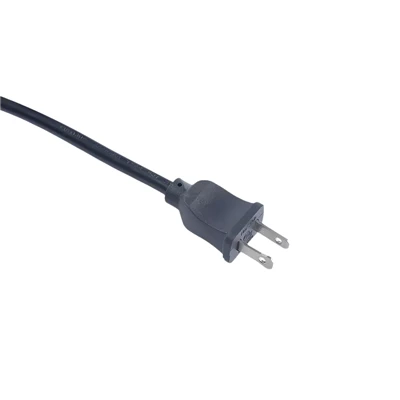
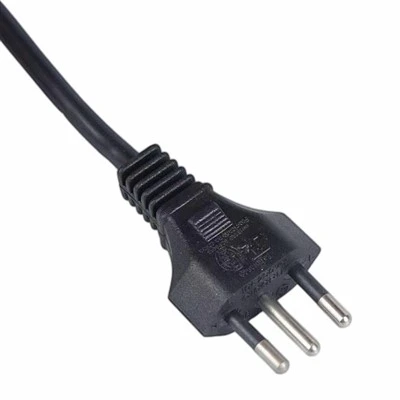
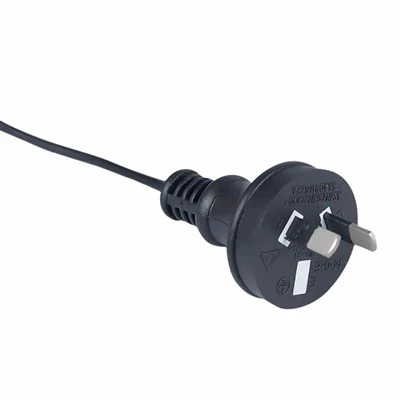
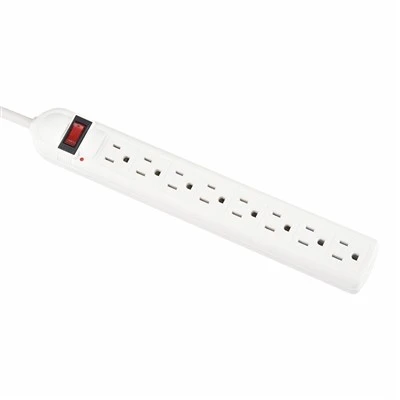
When the plug is inserted into the socket, its metal blades make firm contact with the spring-loaded copper contacts inside the socket. The contact pressure breaks through surface oxide layers, establishing a low-resistance electrical path almost instantaneously.
Driven by the electric field created by the voltage difference, electrons flow directionally through the high-purity copper conductors, transmitting AC power from the grid to the electrical device and completing the circuit.
Taking a standard 10A plug as an example: under normal contact conditions, contact resistance is only about 30 micro-ohms, and the temperature rise at the contact point is less than 2°C, allowing it to stably handle the rated load.
Functional Implementation via Layered Structure
Conductor Layer: Composed of stranded high-purity oxygen-free copper wires, this serves as the primary carrier of electric current; copper's superior conductivity minimizes transmission losses.
Inner Insulation Layer: Flame-retardant PVC material encasing each copper strand; it completely isolates core wires of different polarities, preventing short circuits and electrical leakage.
Outer Sheath Layer: The outermost layer consists of high-strength, wear-resistant insulating material that withstands high temperatures, repeated bending, and aging, protecting the internal cores from external forces and environmental degradation.
Plug-End Structure: Metal blades are made of nickel-plated copper to ensure they do not deform during insertion or removal; the housing uses flame-retardant insulating materials (such as polycarbonate) to prevent electric shock caused by direct human contact with live components.