Plug Body Structure
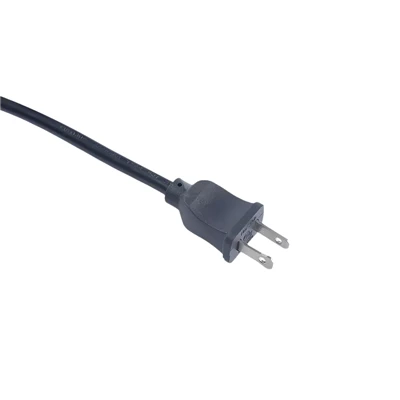
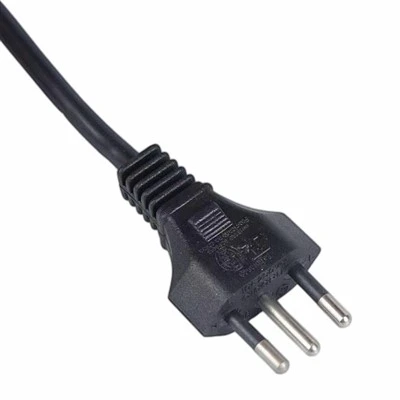
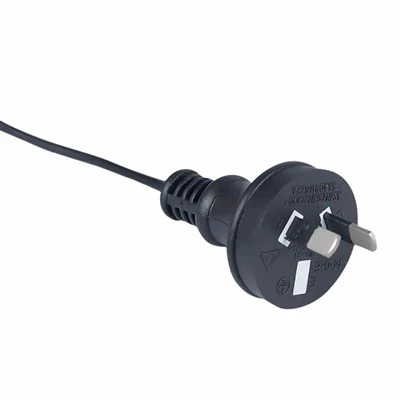
Metal Prongs: Made of high-toughness nickel-plated copper, offering excellent conductivity and resistance to deformation during repeated insertion and removal. Three-pin plugs follow the "Left-Neutral, Right-Live, Top-Ground" layout; the grounding prong is 3mm longer than the neutral and live prongs to ensure a "connect-first, disconnect-last" safety sequence.
Insulating Housing: Constructed from flame-retardant insulating materials such as PVC or PA66 (meeting the UL94 V-0 flame-retardant rating), fully isolating live internal components to prevent electric shock from direct contact.
Strain Relief Structure: Features a built-in cable clamp at the cord entry point. This structure disperses external pulling forces, preventing them from loosening internal crimp connections and avoiding overheating or fire hazards caused by poor contact.
Internal Connection Terminals:The cable's copper core is securely bonded to the prong terminals via crimping; some high-current plugs utilize screw-clamping mechanisms to ensure stable contact resistance and prevent loosening over long-term use.
Transmission Cable Layered Structure
Conductor Core: Composed of stranded bare or tinned copper wires for superior conductivity. Common household specifications range from 0.75mm² to 1.5mm², while high-power appliances may use cores exceeding 2.5mm².
Individual Core Insulation: Each core is wrapped in its own PVC insulation layer, with distinct colors identifying live, neutral, and ground wires to prevent short circuits between cores.
Outer Sheath: The outermost layer, typically made of PVC or TPE, offers abrasion resistance, temperature tolerance (high and low), and oil resistance, protecting the internal cores from external forces and environmental degradation.
Device-End Connector Structure
Available in various forms-such as C13 (IEC "kettle" plug), two-flat-pin, or DC barrel connectors-to match the power input ports of home appliances and digital devices.
Internally connected to the cable cores via crimping or soldering and encased in a flame-retardant insulating housing; some designs feature locking clips to prevent accidental disconnection during use.