Core Power Supply Function
Acting as a medium for point-to-point current transmission, the power cord delivers stable AC power from the grid or DC power from an adapter to the internal components of an electrical device. It completes the power circuit, providing the necessary electrical energy for the device to operate.
Power cords are categorized into AC and DC types based on the current they carry; they are designed for various voltage levels and meet the power requirements of everything from household appliances to digital devices.
Safety Protection Function
A three-pin power cord equipped with a grounding pin can divert leakage current from a metal appliance casing directly to the ground. This prevents electric shock accidents when a user touches the casing, serving as a critical safety feature for high-power appliances with metal housings.
The outer insulation material fully isolates the live internal conductors, preventing direct human contact with live parts and eliminating the risk of short circuits between wires, thereby reducing fire hazards.
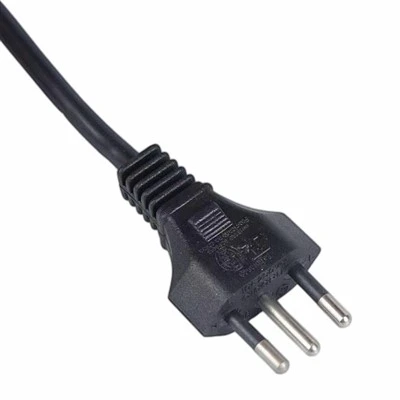
On a three-pin plug, the grounding pin is 3mm longer than the neutral and live pins; this ensures the ground connection is established first upon insertion and disconnected last upon removal, maintaining safety throughout the process.
Compatibility and Stability Function
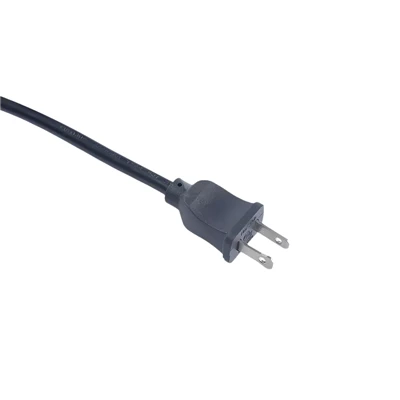
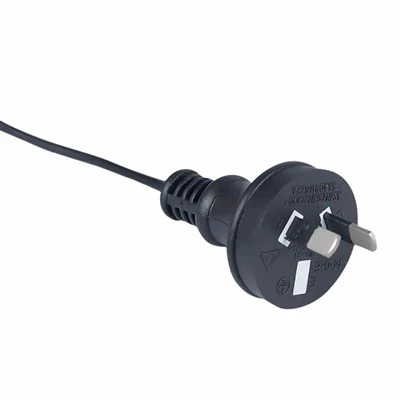
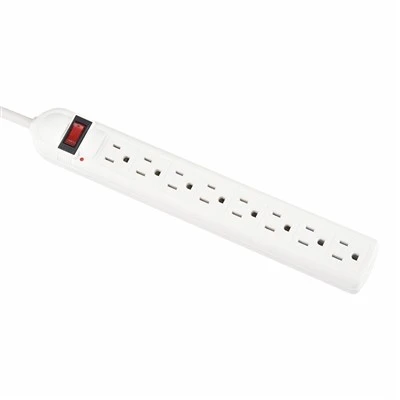
Power cords designed to various standards (such as Chinese, US, or European standards) match the socket specifications of specific countries and regions, resolving interface compatibility issues across different power environments.
Compliant power cords utilize conductors with sufficient cross-sectional area to minimize contact resistance. This prevents abnormal overheating during prolonged use and ensures voltage stability for high-current devices, avoiding issues such as intermittent power supply or voltage drops.