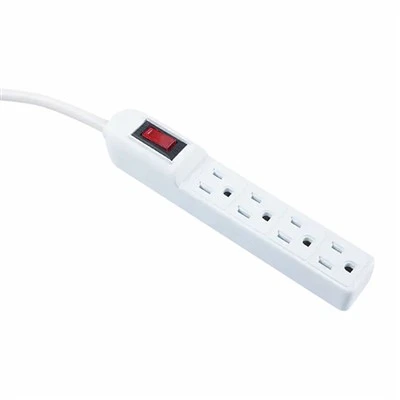
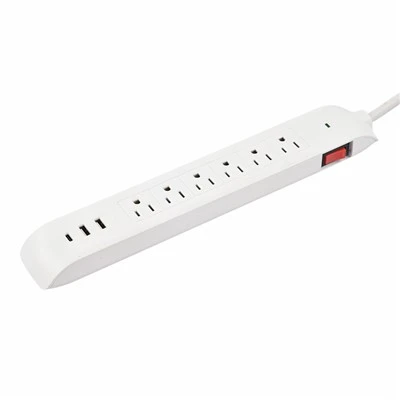
Safe Cleaning Procedures
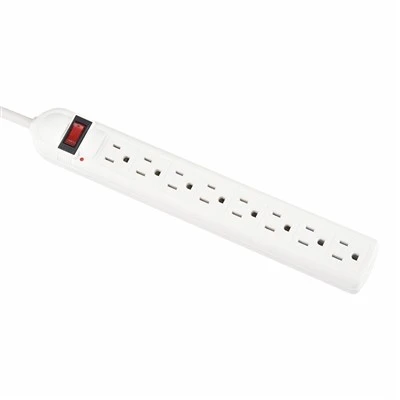
Power Off First: Always unplug the power strip completely before cleaning; never clean it while it is connected to a power source.
Surface Cleaning: Wipe away everyday dust with a dry cloth; gently remove light fingerprints or stains with an eraser. For stubborn grease, use a soft cloth dampened with a small amount of toothpaste or neutral cleaning powder (after disconnecting the power), ensuring you avoid the socket openings; finally, wipe away any residue with a dry cloth.
Internal Dust Removal: To remove dust from the sockets, turn the power strip upside down and gently tap the bottom, or use a vacuum cleaner. Never use metal objects to dig into the sockets, as this could damage the internal copper contacts and cause a short circuit.
Avoid Water and Moisture: Never wipe the power strip directly with a wet cloth, as moisture entering the sockets can cause short circuits. In environments prone to moisture or grease-such as kitchens or bathrooms-it is recommended to install a waterproof and dustproof cover.
Daily Usage Guidelines
Strictly Control Load:Standard household power strips usually have a rated power of 2500W. Do not simultaneously connect multiple high-power appliances such as induction cookers, electric water heaters, or air conditioners; high-power devices should ideally use dedicated power strips to prevent overheating and accelerated aging caused by overloading.
Proper Plugging Habits: When unplugging, grip the plug body firmly and pull outward; do not yank the cord, as this can break the internal wiring. Minimize unnecessary frequent plugging and unplugging to avoid wearing out the internal metal contact springs, which could lead to loose connections and overheating.
Placement Requirements:Place the power strip in a dry, well-ventilated area away from water sources, heat sources (like stovetops), and direct sunlight. Do not stack heavy objects on the power strip, nor place it in enclosed spaces with poor heat dissipation-such as under carpets or sofas-to prevent heavy pressure from damaging the internal wires or heat accumulation from creating safety hazards. Prevent hazardous practices: Strictly prohibit daisy-chaining multiple power strips, do not bundle power strip cords (as this hinders heat dissipation and can cause overheating), and unplug all devices from power strips that are not in use for extended periods, storing the strips in a dry cabinet to keep them free of dust.