Visual Inspection
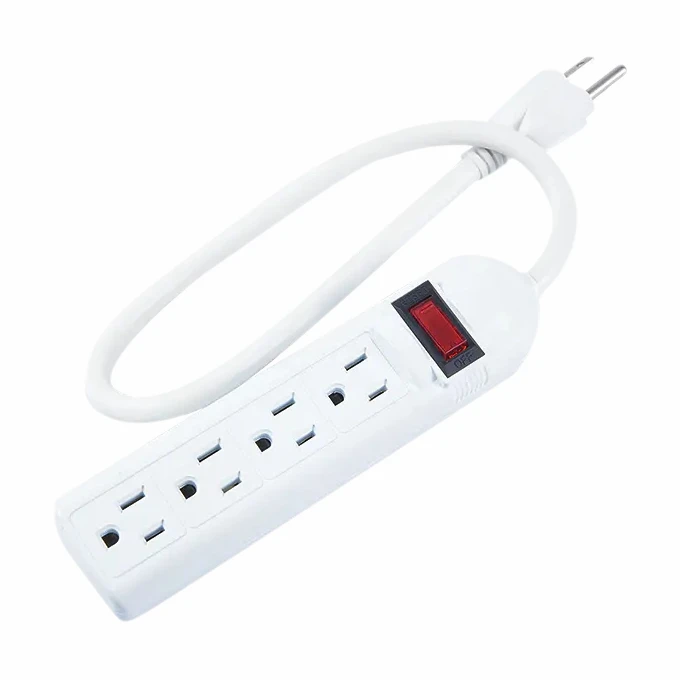
Casing Condition: If the casing shows signs of yellowing, blackening, deformation, or cracking, it indicates that the insulation material has aged and its flame-retardant capabilities have diminished; dust can easily enter and cause a short circuit, so the unit should be replaced immediately.
Power Cord Condition: If the power cord's outer sheath has hardened, become sticky, or is damaged-or if the internal copper core is exposed-there is a risk of short circuits or electrical leakage; it must be replaced immediately.
Socket Condition: If the interior of the socket is blackened or oxidized, or if the plug feels loose or falls out easily upon insertion, the internal copper contacts have lost their elasticity; this creates a high risk of electrical arcing, so the unit should be discarded.
Operational Check
Power Supply Irregularities: If the power supply is intermittent after connecting an appliance-and the appliance itself has been ruled out as the cause-it indicates poor internal contact; the unit must be replaced.
Abnormal Temperature or Odor: If the power strip becomes excessively hot during normal use or emits a burnt or acrid plastic smell, it indicates internal overloading or localized overheating; stop using it immediately and replace it.
Unusual Noises and Sparking: If you hear a "buzzing" or "crackling" sound when inserting a plug or powering on the device, or if you see sparks inside the socket, there is a serious risk of an electrical fire; the unit must absolutely not be used further.