Structural Characteristics
Conductor: The core typically utilizes high-purity electrolytic copper for excellent conductivity; common specifications include 0.75mm² and 1.0mm², ensuring stable current-carrying capacity.
Insulation Layer: The outer layer is usually made of PVC or rubber, though some high-end products employ high-strength, flame-retardant plastics like PA or PBT to provide essential insulation protection.
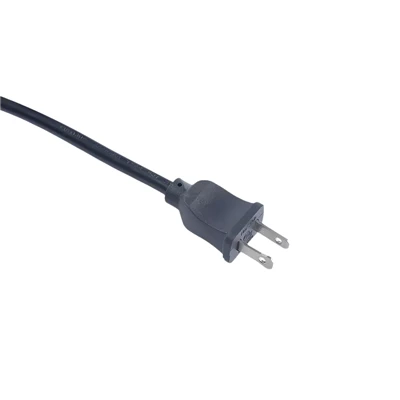
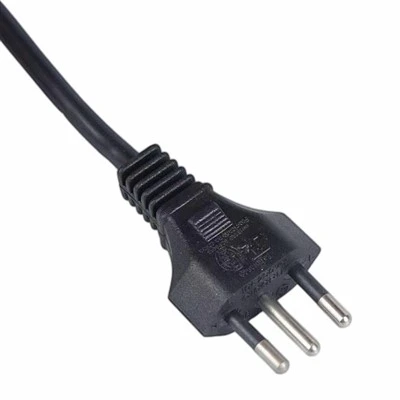
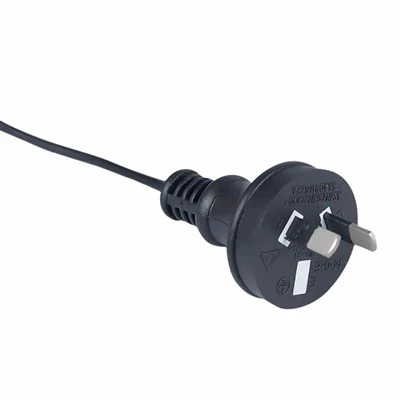
Plug End:Blades and pins are made of high-toughness metals (such as nickel-plated copper) that resist deformation; the New National Standard requires live pins to feature insulating sleeves to enhance safety against electric shock.
Strain Relief Structure: A built-in securing mechanism at the junction of the plug and cord distributes external pulling forces, preventing internal crimp points from loosening or the cord from being pulled out.
Electrical Performance Characteristics
Rated Parameters: Standard voltage ratings cover 36V, 125V, and 250V, with current ratings ranging from 2.5A to 16A; the operating frequency is universally 50/60Hz, making them suitable for most residential and industrial applications.
Conductive Stability: Internal conductors and plug terminals form a reliable connection via crimping, ensuring stable contact resistance and minimizing the risk of localized overheating during long-term use.
Configuration:Available in 2-core, 3-core, and multi-core versions; 3-core cords strictly adhere to international wiring standards: brown for live, blue for neutral, and yellow-green for ground.