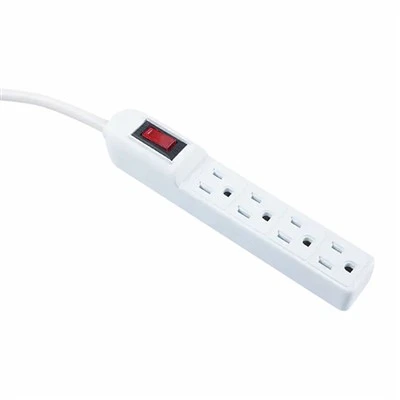
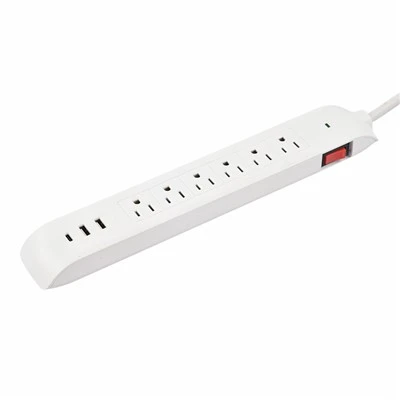
Core Power Transmission
Serving as a conduit for point-to-point current transmission, the power cord delivers AC power from the grid or DC power from an adapter to the internal components of an appliance, acting as the fundamental pathway for electrical supply.
Power cords come in various specifications to suit different voltage and current requirements, covering everything from mobile phone chargers to high-power home appliances.
Critical Safety Protection
Three-core power cords with a grounding pin connect the appliance's metal casing to the earth; in the event of electrical leakage, current is rapidly diverted to the ground, significantly reducing the risk of electric shock-acting as a "lifeline" for the appliance.
The outer insulating, flame-retardant material isolates live internal conductors, preventing direct human contact that could cause electric shock, while also guarding against short-circuit fires.
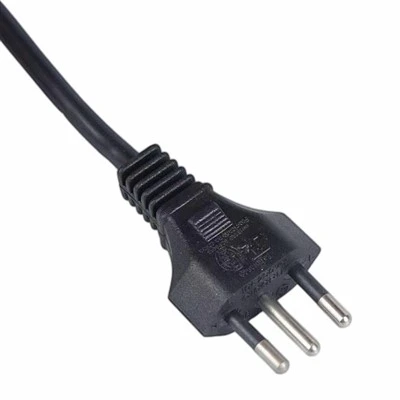
On three-pin plugs, the grounding pin is longer than the neutral and live pins; this ensures the ground connection is established first when plugging in and disconnected last when unplugging, maintaining continuous grounding protection.
Practical Connectivity and Compatibility
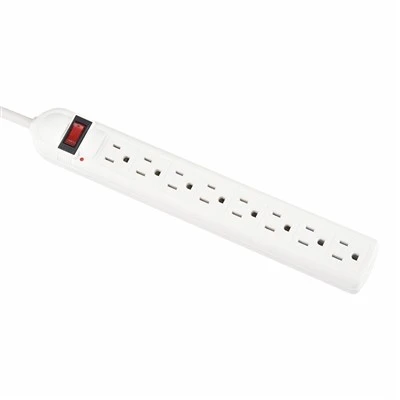
They overcome distance limitations between appliances and wall outlets, allowing for flexible device placement and meeting wiring needs across various settings.
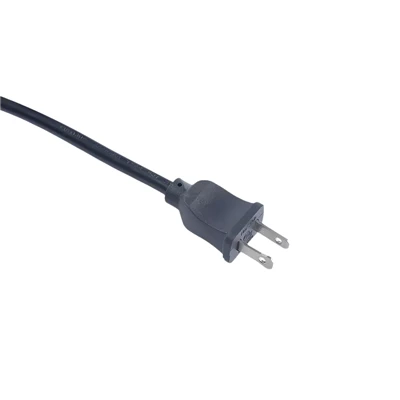
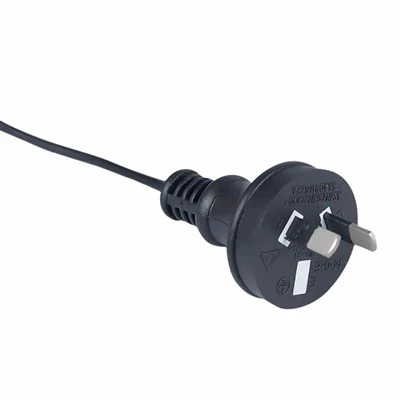
Power cords designed to specific national standards ensure compatibility with local socket specifications, allowing appliances to connect safely to the grid in different regions and resolving cross-border usage issues.
Certain specialized power cords feature mechanisms such as anti-detachment or locking functions, making them suitable for specific applications like vending machines.